



2012
Oct 25 · Video published
Oct 25 · Video published
Piano Tears You Tube video
The Piano Tears video published on Lee Sang Gul’s You Tube channel.
Watch the video on You Tube ↗One of Lee Sang Gul’s most widely loved pieces, expressing the wistfulness and restrained sadness of gazing out of a window on a rainy day through graceful, tender melodies.
The Piano Tears video published on Lee Sang Gul’s You Tube channel.
Watch the video on You Tube ↗A piece expressing the wistfulness of looking through a café window on a rainy day with graceful, tender piano melodies.
Many people keep this piece alive through their own performances.
Kim Eun-kyung’s performance video of Tears.
Watch the performance on You Tube ↗The piece was used in the MBC drama You Are Too Much. This credit also appears in the official album introduction for Left Behind.
An MBC weekend drama broadcast in 2017, about star singer Yoo Ji-na (Uhm Jung-hwa) and impersonator Jung Hae-dang, whose lives intertwine through love, hate and compassion. Jung Hae-dang was initially played by Ku Hye-sun and later Jang Hee-jin. The cast also included Kang Tae-oh (Lee Kyung-soo), Jung Gyu-woon (Park Hyun-joon) and Jun Kwang-ryul (Park Sung-hwan).
Lee Kyung-soo (Kang Tae-oh) playing Piano Tears in the drama.

Hodori MOON’s performance video of [Cookie] Piano Tears.
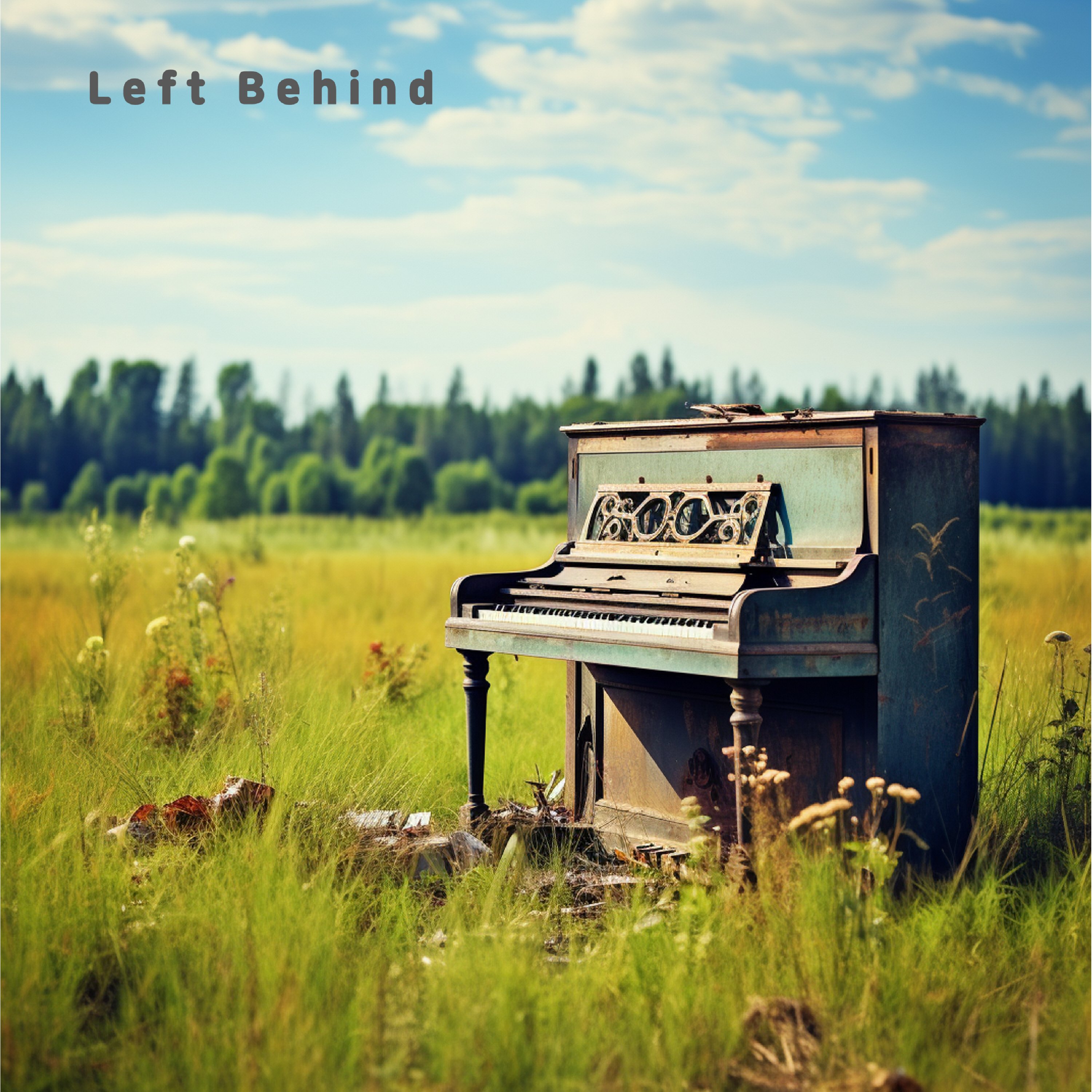
Watch the performance on You Tube ↗It has been included again in the full-length piano album *Left Behind*.
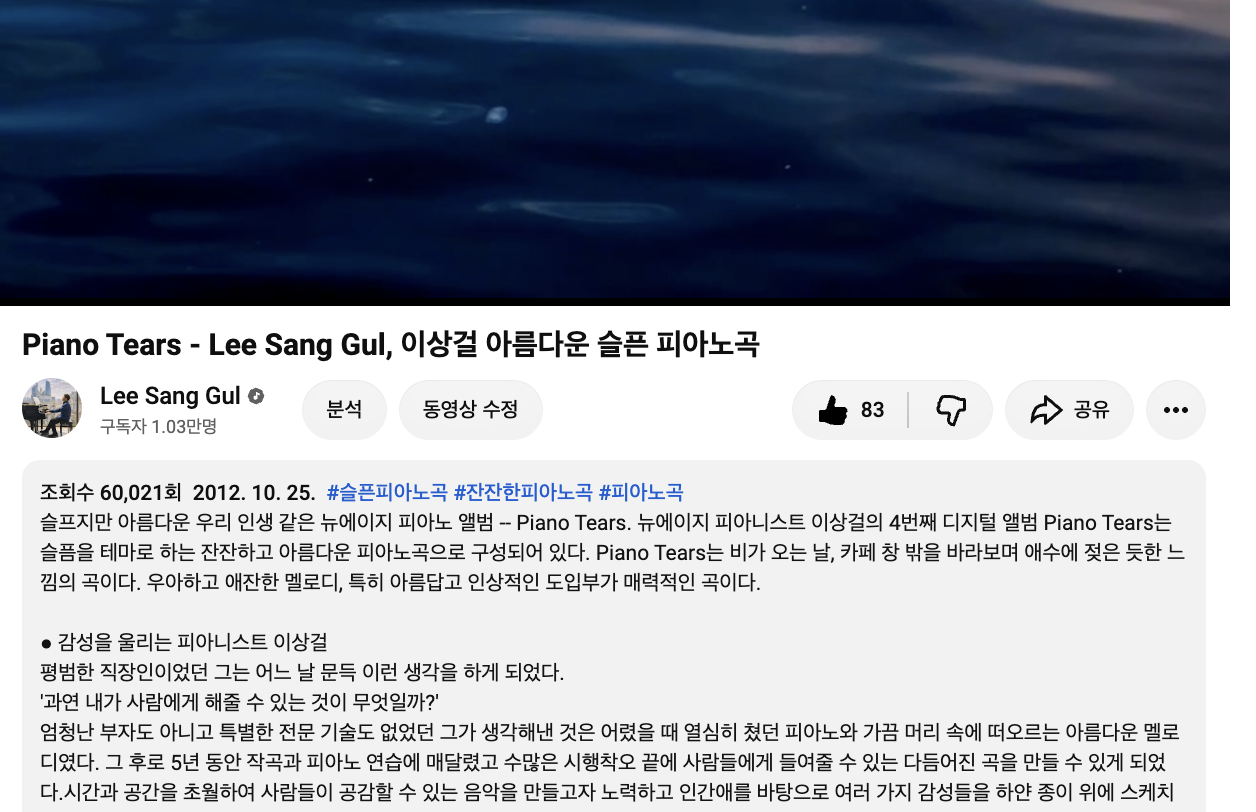
Views of the Piano Tears video published on October 25, 2012, recorded from the capture dated October 6, 2026.
“El sonido es profundamente íntimo, creando una atmósfera relajante que se siente tanto romántica como dramática. La mezcla de estos elementos aporta una sensación de conexión emocional, haciendo que la pieza sea muy atractiva y envolvente. Definitivamente, es una obra que vale la pena escuchar y disfrutar por su capacidad de transmitir sentimientos de manera tan efectiva.”
The sound is deeply intimate, creating a relaxing atmosphere that feels both romantic and dramatic. The blend of these elements brings a sense of emotional connection, making the piece very appealing and immersive. It is definitely a work worth listening to and enjoying for its ability to convey feelings so effectively.
“the first few notes are very dark and mysterious, was hoping for more of that same feeling with the rest of the song, but it takes a more uplifting approach. the melody is delicate, soft and crisp. the subtle reverb helps to makes the soundtrack more pleasing. great composition and performance here”
the first few notes are very dark and mysterious, was hoping for more of that same feeling with the rest of the song, but it takes a more uplifting approach. the melody is delicate, soft and crisp. the subtle reverb helps to makes the soundtrack more pleasing. great composition and performance here
“Me gusta la tonalidad de esta melodía y las disonancias que hay a lo largo de de ella. Me gusta como la fuerza se va incrementando en la mitad de la composición y me encantó a partir del minuto 1.45”
I like the tonality of this melody and the dissonances throughout it. I like how the intensity increases in the middle of the composition, and I loved it starting from minute 1:45.
“Das Piano klingt lieblich und ausgewogen. Ein bisschen fehlt mir der eq in der Höhe und Tiefe. Wunderschönes Cover. ”
The piano sounds lovely and balanced. I'm missing a bit of the EQ in the highs and lows. Beautiful cover.
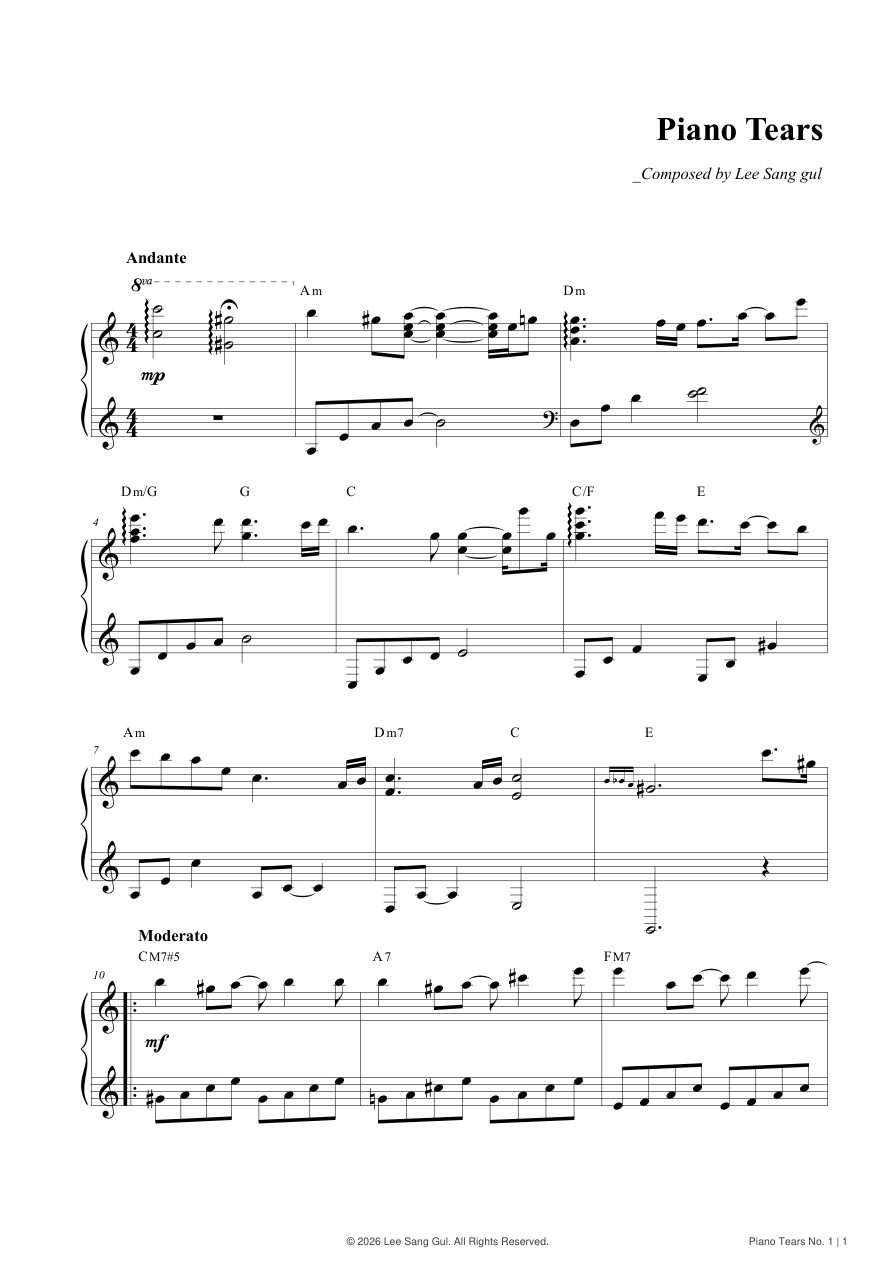
3 pages of piano music · 1 page of copyright and usage information
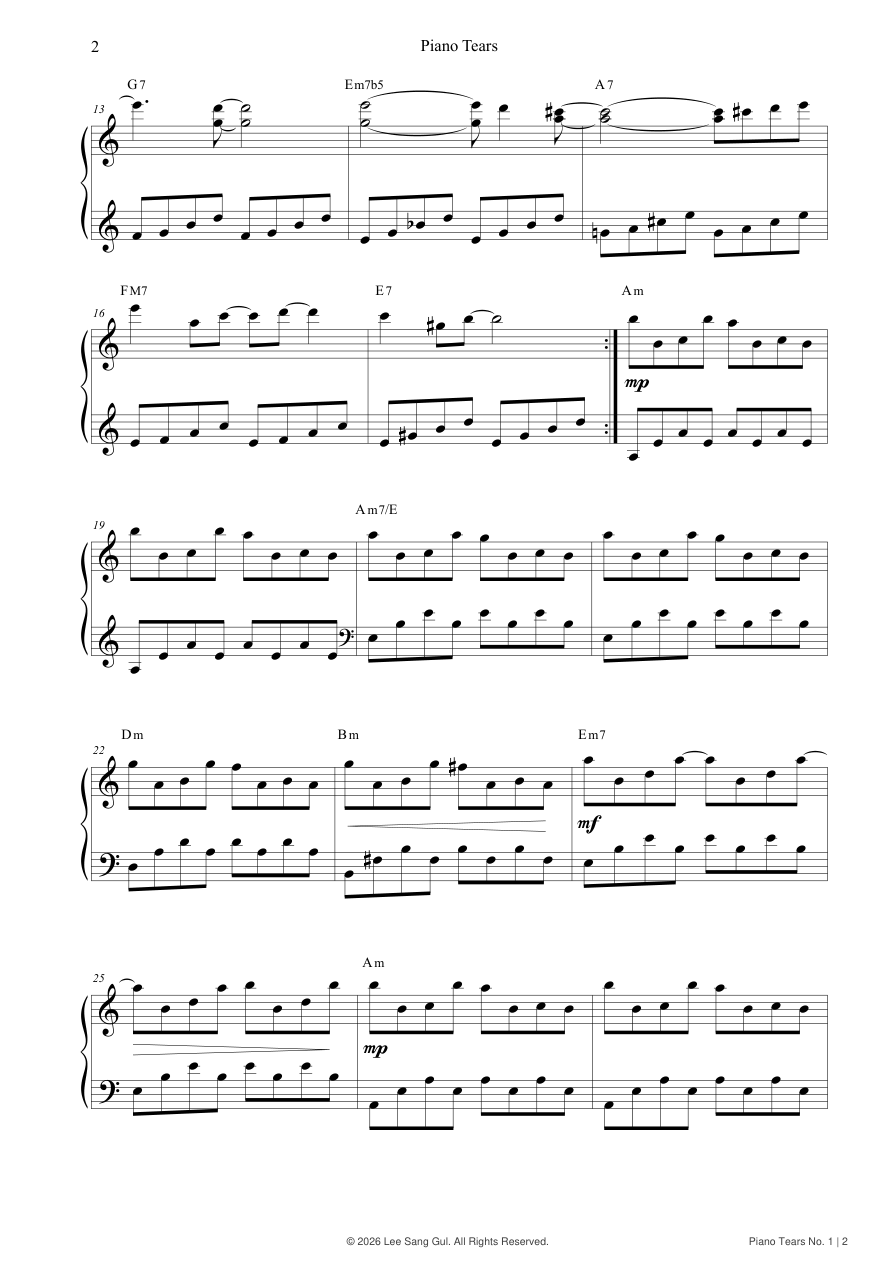
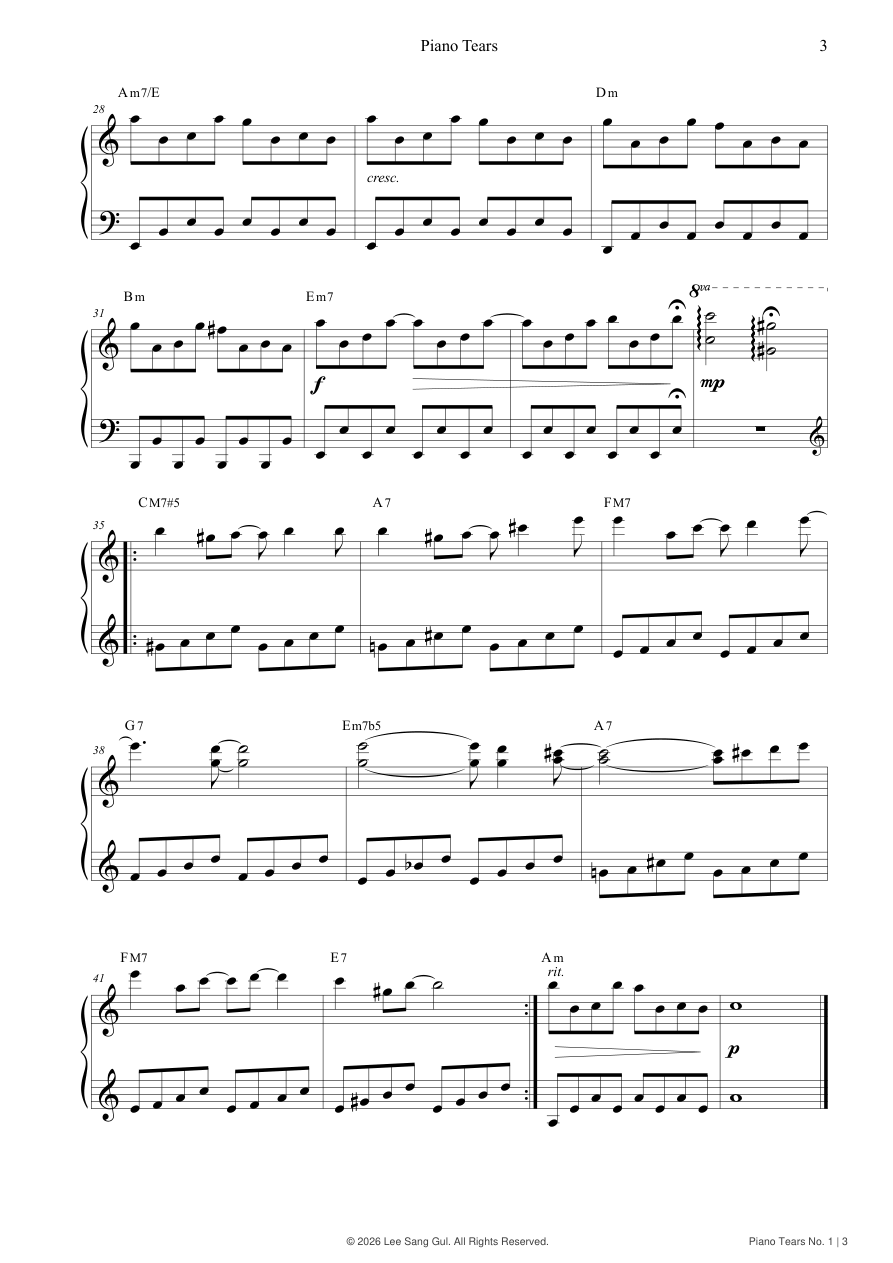

Piano and arranged versions organized by release order.
A closer look at the score
The first bar leaves the left hand silent, presenting a high rolled chord and a fermata. The Andante melody alternates long and short breaths through dotted rhythms, ties and brief ornaments. At bar 10, Moderato and mf introduce a more even accompaniment and the next scene. The structure separates a pausing introduction from a moving main passage rather than expressing the same sadness loudly throughout.
From bar 18, both hands continue in eighth notes and the texture grows denser. The opening high rolled chord reappears and the theme returns, making the introductory gesture a marker linking the whole piece. The final rit. and p reduce the motion and leave resonance. Follow the exchanges between stillness and flow as well as the sadness of the title.